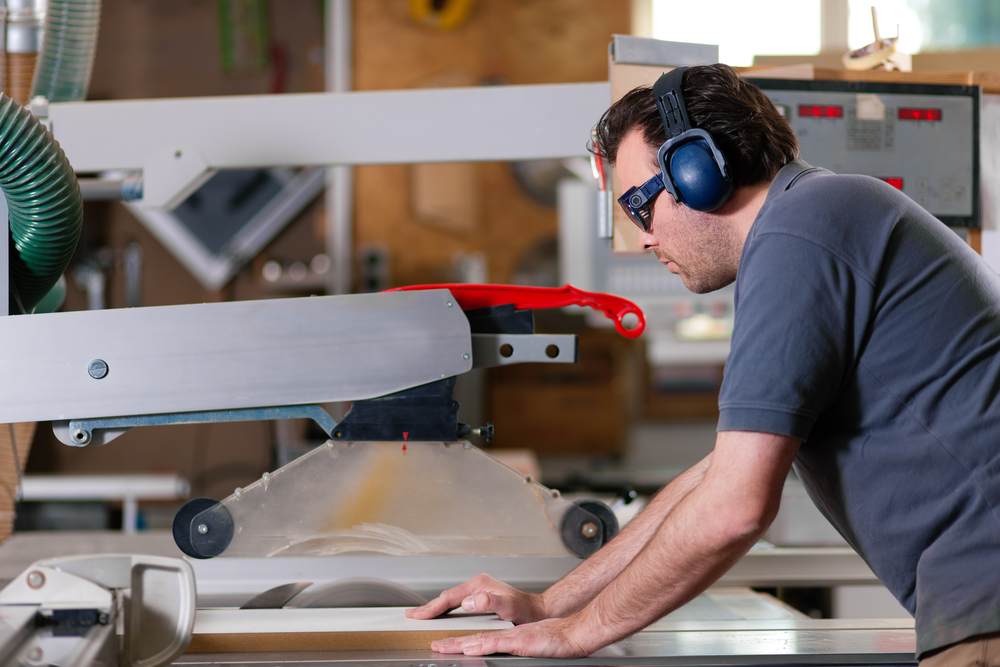
Prolonged exposure to sound can take a serious toll on your hearing health, particularly in environments where sound levels exceed safe thresholds. It is important to shield your ears, not just to prevent hearing damage, but also to help you maintain concentration in loud settings. Hence, what steps should you take to find the ideal hearing protection level tailored to your situation?
Gaining insight into sound volume and its effects
When evaluating the impact of noise, the length of exposure is as significant as the sound’s intensity. Decibels are the crucial unit for measuring sound levels and measuring sound intensity. Hearing damage can begin when sound intensity reaches 85 dB or more, particularly after long-term exposure.
As a frame of reference, 85 dB is approximately the same loudness as the sound of city traffic heard from within a car. Though this loudness might not appear excessive, spending eight hours in it continuously can cause hearing impairment. As the sound gets louder, the duration of time you can be exposed safely decreases:
- A sound level of 90 dB (e.g., a Lawnmower) can cause damage after 4 hours of exposure.
- Exposure to 100 dB (Power tools) must be restricted to a maximum of 60 minutes.
- Damage is possible after only 15 minutes at the 110 dB level (Leaf blower).
- 120 dB (Rock concert): Any exposure at this level can damage your hearing.
- 140 dB (Jet engine): Immediate damage and pain can occur.
Determining dangerous levels of noise
It is mandatory to use hearing protection if your routine exposure is to noise levels of 85 dB. Such protection is most important in industrial settings, including factories and building areas, or other places where high noise is produced by devices, gear, or engines.
Beyond the professional setting, scenarios like recreational shooting sports, using leaf blowers, or going to shows are examples where you may benefit from using hearing protection due to the unsafe noise exposure.
Choosing protection using Noise Reduction Ratings
Hearing protection effectiveness is quantified using the Noise Reduction Rating (NRR) scale. The NRR value shows the level of sound blockage, stated in dB, that the device provides. A higher decrease in sound is guaranteed by higher NRR ratings. For instance, earplugs with an NRR of 30 dB can reduce an 85 dB noise level to 55 dB, placing you comfortably within safe exposure thresholds.
When making your choice, take into account the particular noise intensity you are facing and ensure that the protection reduces the sound below the 85 dB limit.
The critical role of comfort in consistent protection
Although the NRR is essential, comfort is equally important for guaranteeing that the protection will be employed consistently over time. An uncomfortable or cumbersome protective gear increases the temptation to remove it, which exposes your ears to harmful noise.
The more comfortable the protector, the more likely you are to use it consistently, which significantly reduces the danger of occasional exposure. For example, if earmuffs are too bulky or lead to discomfort, you may be inclined to remove them occasionally, subjecting your ears to dangerous noise levels.
Different options of hearing protection available
Different forms of hearing protection are available, and each one offers unique advantages and cons:
- Inside the ear canal, Foam Earplugs provide superb noise reduction. They are disposable and light, yet some individuals may find them uncomfortable.
- Pre-Molded Earplugs: These rest just outside the ear canal and are reusable, making them a more sustainable option. They’re easier to insert and remove compared to foam earplugs.
- Enclosing the whole ear, Earmuffs are perfect for settings where noise volume changes, as they can be easily removed and replaced. Their drawbacks include potentially feeling warm or heavy over a long period.
Your selection should be based on your comfort preferences and the criteria imposed by your environment. For illustration, workers in construction may prefer the convenience of earmuffs, while factory personnel might opt for earplugs for continuous wear.
Making sure you wear it constantly
To ensure maximum performance, you must choose the hearing protection you will wear continuously. Removing the protection for even a few minutes can lead to lasting harm to your hearing. An option that successfully integrates convenience, protection, and comfort is, as a result, paramount.
Safeguard your hearing for the future
While noise is ever present in our daily lives, using the appropriate hearing protection enables you to protect your ears and still appreciate the sounds of the world.
Contact us now to talk about your potential for hearing loss from noise and the best ways to safeguard your hearing.