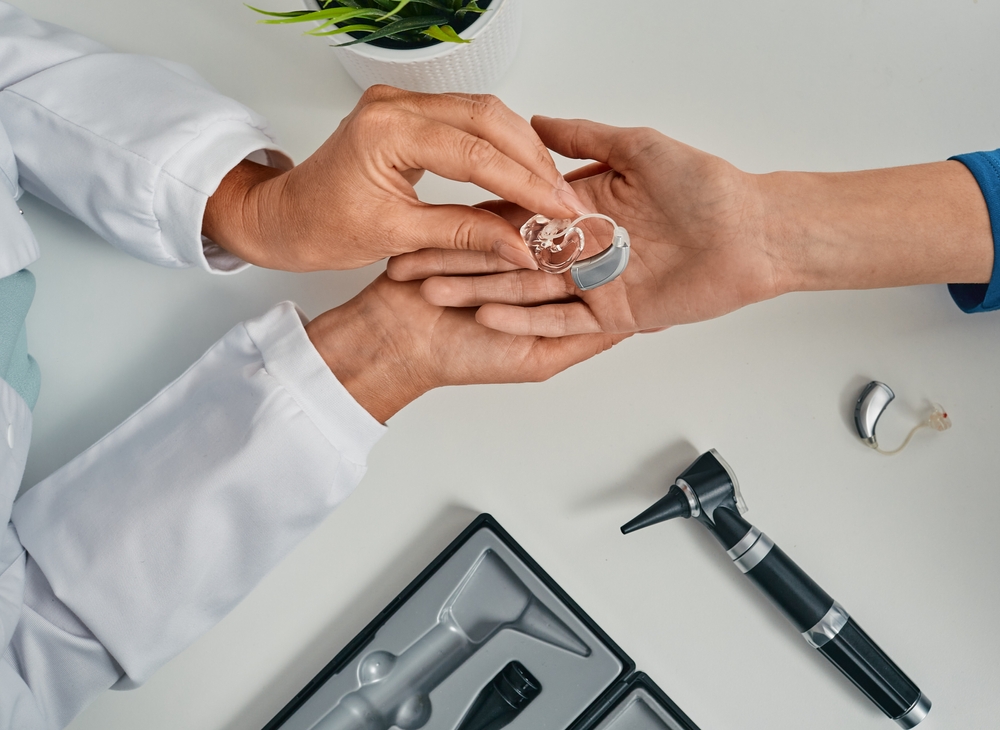
Hearing aids perform a vital role in enhancing sound clarity and enhancing daily communication. For optimal performance, it’s essential to schedule routine maintenance and routine expert cleaning sessions. With time, earwax, moisture, and debris can build up, resulting in reduced performance. Recognizing when it is time to schedule professional maintenance can help extend the longevity of your hearing aids and ensure they continue to operate at their best.
The significance of professional hearing aid cleaning
Despite regular maintenance at home, hearing aids can gradually accumulate debris that might affect how well they work and the quality of sound they produce. Regular servicing provides numerous advantages:
- Deep Cleaning– Removes earwax, dust, and moisture that day-to-day cleaning tools may not successfully remove.
- Enhanced Performance– Clears blockages that can cause dampened sound or distortion.
- Prolonged Lifespan– Protects against early wear and tear, decreasing the need for repairs or replacements.
Getting your hearing aids cleaned by a professional helps ensure they work at their best, reducing the likelihood of sudden malfunctions.
Signals that your hearing aids need professional maintenance
If you’re not sure whether it’s time for an expert cleaning, watch for these typical warning signs:
- Muffled or Distorted Sound Quality: If speech and ambient sounds seem muffled, dull, or distorted, it may be due to wax or debris blocking the microphone or speaker.
- Continuous Feedback or Squealing: A squealing noise at a high pitch (feedback) could suggest a blockage from earwax or a poorly device. Professional cleaning can help in clearing blockages and fine-tuning the fit accurately.
- Issues with Volume Control: If adjusting the volume doesn’t seem to have the desired effect, internal elements might need maintenance or software recalibration.
- High humidity can impact the device’s internal components, causing random audio interruptions or faulty button control. A professional technician can evaluate and resolve any moisture-related issues.
- If you observe an obvious increase of earwax or dirt on your hearing aids, it is encouraged to have them professionally cleaned for a more thorough removal compared to cleaning them at home.
- Use precision tools to remove wax, dirt, and moisture without harming delicate parts.
- Verify the proper performance by examining and repairing any broken components.
- Check software and hardware for any functionality issues affecting sound quality.
- Switch out worn-out filters or tubing that may be limiting device performance.
- General maintenance should be conducted every 3 to 6 months.
- More frequent cleanings are suggested for people prone to excessive earwax accumulation or those living in humid settings.
- As soon as issues emerge, dealing with minor issues early can prevent costly repairs.
What does a professional hearing aid cleaning look like?
A thorough cleaning service not only keeps your equipment in good working order but also assures peak performance and efficiency. During the appointment, specialists will:
What is the suggested time frame for setting up professional maintenance?
The need for professional cleanings differs depending on factors like how much earwax is produced, the levels of moisture, and how the device is typically used. General recommendations include:
Maintain your hearing aids for ideal performance
To keep your hearing aids functioning optimally and delivering crisp, clear audio, it’s crucial to schedule routine check-ups and maintenance with a hearing care professional.
If you’re experiencing muffled audio, feedback, or performance issues, it may be time to set up a professional cleaning.
Schedule your hearing aid cleaning and maintenance today.