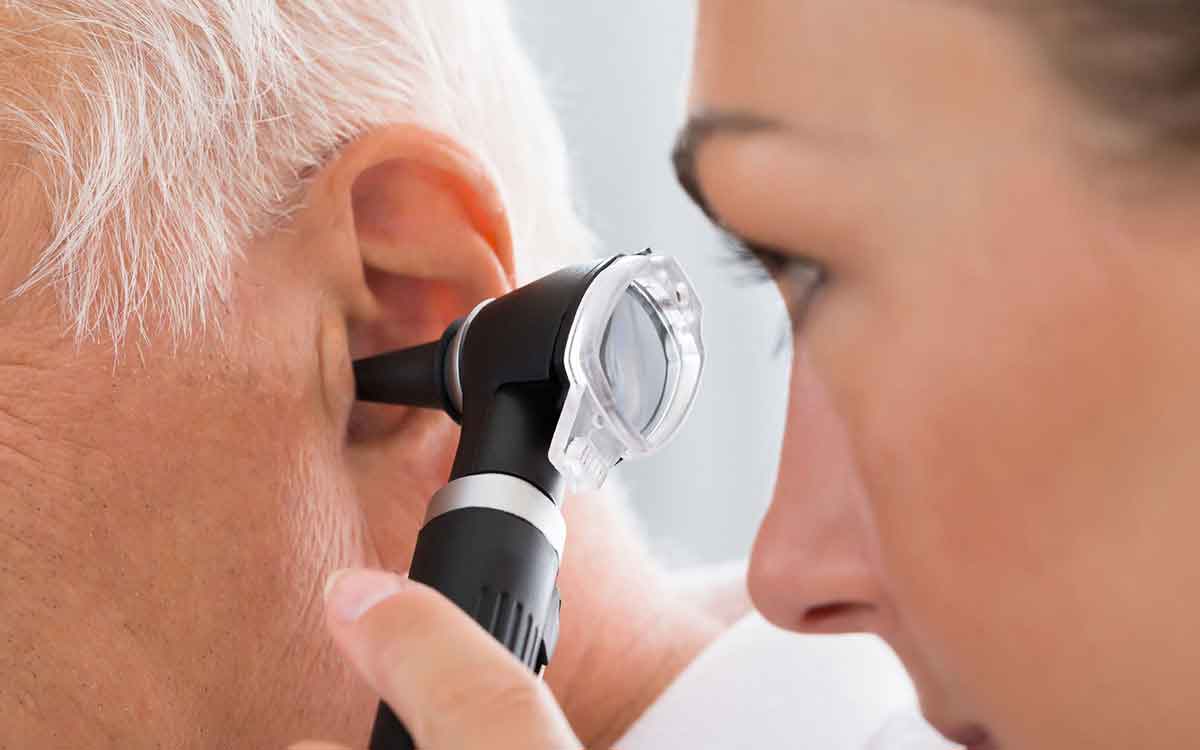
The insidious nature of hearing loss often causes early-stage indicators to be overlooked. It is common for people to adjust to hearing shifts by elevating device volume and steering clear of gatherings with significant background noise.
Arranging an initial screening can help preserve hearing, enhance interpersonal dialogue, and protect overall quality of life.
Common Symptoms of Early Hearing Loss
If you observe any of the following symptoms, it may be time to have your hearing checked.
- Difficulty comprehending speech, especially in noisy environments with a lot of activity.
- Frequently asking people to clarify their statements.
- The perception of muffled or slurred speech where words appear to merge.
- Requiring higher volume levels for electronic devices than is typical.
- Trouble hearing higher-pitched sounds, such as children’s voices, birds, or doorbells.
- The presence of tinnitus, characterized by ringing or buzzing in the ears.
- Feeling cognitively fatigued after conversations, resulting from the strain of auditory processing.
- Withdrawing from social gatherings as dialogue has become stressful.
Initial auditory warnings are often unilateral or bilateral and can fluctuate at first. As a result of rapid neural adaptation, many patients stay oblivious of their subconscious adaptations until the deficit is significant.
Auditory Health: Current Statistics and Projections
Data from the World Health Organization suggests that a vast population will face the requirement for auditory rehabilitation by mid-century. Other significant statistics consist of:
- By 2050, nearly 2.5 billion people are expected to experience various levels of hearing loss.
- Over 5% of the world’s population (430 million people) necessitates support to address significant hearing loss.
- In excess of 1 billion young adults face the threat of permanent hearing loss due to hazardous acoustic habits.
- Among those over the age of sixty, over 25% suffer from clinically significant hearing loss.
Why Timely Auditory Assessment Matters
If left unaddressed, hearing loss can influence various aspects of your health outside of auditory function.
Data confirms a connection between auditory impairment and risks involving cognitive decline and diminished balance.
Identifying symptoms early on ensures optimal results and diverse therapeutic choices.
A professional assessment clarifies if hearing fluctuations are caused by aging, earwax impaction, or other systemic issues.
Under certain conditions, hearing changes are temporary and reversible.
In addition, utilizing safety strategies or hearing technology at the onset can slow the progression of hearing loss.
Indications for a Professional Hearing Evaluation
A clinical hearing assessment is recommended under the following circumstances:
- Symptoms persist for more than a brief period.
- Auditory trouble starts to impact work or personal routines.
- If you encounter sudden hearing loss, dizziness, or chronic ear ringing (which requires immediate attention).
Tests for hearing are noninvasive and provide valuable information about your auditory wellness.
Contact our professional team today if you believe you could benefit from a hearing screening.
FAQ: Early Signs of Hearing Loss
Question: Does hearing loss only occur with aging?
A: No. While age-related hearing loss is common, hearing changes can also result from noise exposure, medications, infections, genetics, or underlying medical conditions.
Q: Can hearing loss be reversed?
Answer: Certain etiologies, such as earwax impaction or localized infection, are treatable. Other types are permanent but can often be effectively managed with treatment or hearing devices.
Q: How often should hearing be checked?
Answer: Clinical guidelines suggest a baseline evaluation by the age of 50, or earlier if symptoms of hearing loss are noticed.