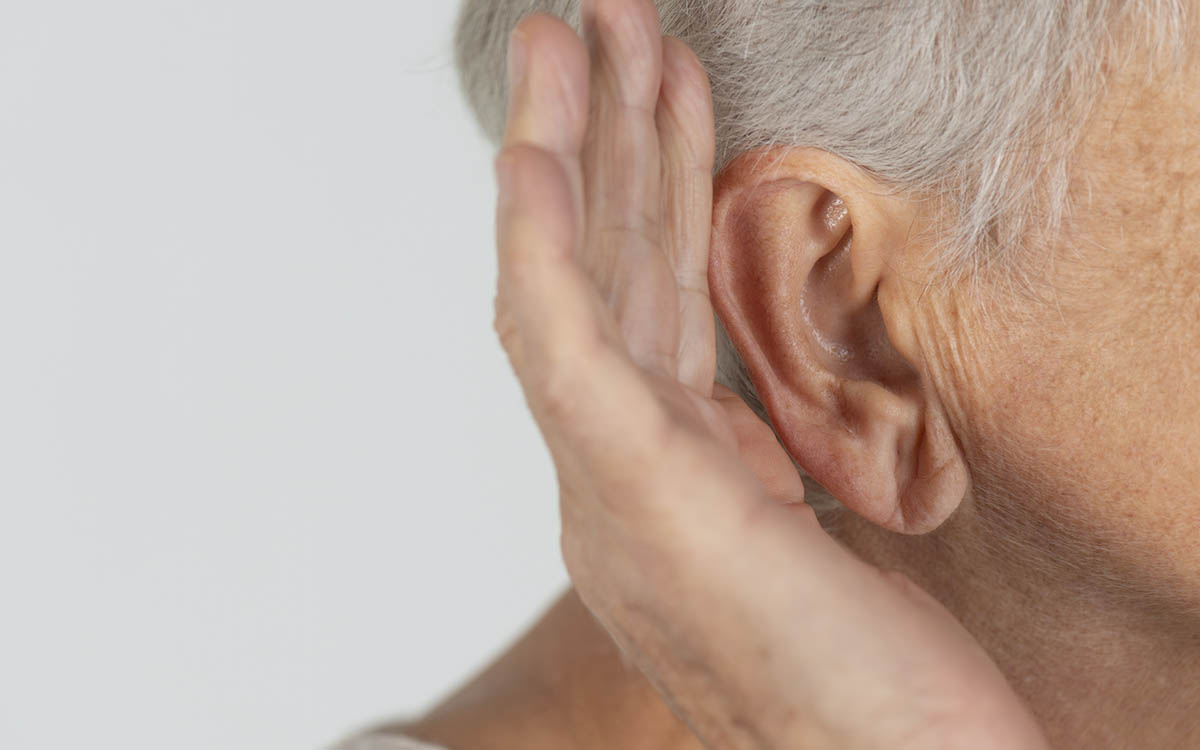
While many individuals correlate hearing loss to senescence, but for millions of Americans, physiological damage begins at a younger age. Noise-induced hearing loss represents a common, preventable auditory pathology, advancing subtly and remaining undiagnosed until the clinical effects are permanent.
Understanding how noise exposure impacts your ears over time can help you protect yourself before substantial hearing loss manifests.
Understanding the Clinical Nature of Acoustic-Related Hearing Loss: An Overview
Noise-induced hearing loss occurs when loud sounds damage the delicate structures inside the inner ear. The Centers for Disease Control and Prevention state that, sustained or frequent exposure to sounds exceeding 85 decibels, such as heavy traffic, can initiate auditory damage. Higher intensity sounds, including those generated by machinery, music venues, or firearms, may result in immediate damage.
Inside the inner ear are tiny sensory cells called hair cells. These cells convert sound vibrations into electrical signals that your brain interprets as sound. Once damaged, hair cells do not regenerate, making this form of hearing loss a lifelong auditory deficit.
The Progression of Acoustic Injury
The insidious nature of noise-induced hearing loss is highlighted by its gradual developmental timeline. Early-stage symptoms resulting from noise exposure often include:
- Occasional instances of Tinnitus, characterized by ringing or buzzing sounds
- Subjective hearing attenuation or muffling after high-decibel events
- Impaired speech discrimination in the presence of background noise
The cessation of these early symptoms often leads to the false perception that the auditory system has fully healed. Despite the lack of symptoms, persistent noise exposure causes cumulative injury to the ear, leading to a progressive decline in hearing resolution.
The Hearing Loss Association of America reports that approximately 48 million Americans experience some degree of hearing loss, many unaware of the underlying cause.
Recognizing Routine Decibel Levels Impacting Hearing
We live in a noisy world, and it’s easy to become desensitized to loud sounds. Due to this, the commonality of injurious sound exposure often goes unrecognized.
Identified hazardous sources may include:
- Venues featuring high-decibel live music
- The use of headphones at unsafe volume settings
- Industrial tools, lawn maintenance equipment, and motorcycles
- Occupational noise exposure within the construction or manufacturing sectors
Because these sounds are often part of daily life, damage can accumulate without clear warning signs.
The Reason Proactive Safeguards Remain a Critical Priority
In contrast to certain medical conditions, noise-induced hearing loss is characterized by its permanent nature. The condition is, however, susceptible to effective preventative strategies. Adopting straightforward preventative behaviors can markedly decrease the likelihood of injury, including:
- The application of earplugs or attenuation earmuffs in loud areas
- Reducing personal audio volume and adhering to the 60/60 safety guideline
- Taking listening breaks to give your ears time to recover
- Scheduling regular hearing evaluations if you’re frequently exposed to loud noise
Triggers for Clinical Hearing Evaluations
Patients observing ongoing Tinnitus, challenges in conversation, or shifts in auditory acuity should contact an Audiologist. Early assessment is critical for monitoring, education, and the development of protective strategies to help preserve your hearing.
Implementing protective measures today safeguards your auditory capacity for the years ahead. Noise may be unavoidable, but hearing loss doesn’t have to be!. Please contact our clinic to arrange a professional consultation regarding your auditory health.