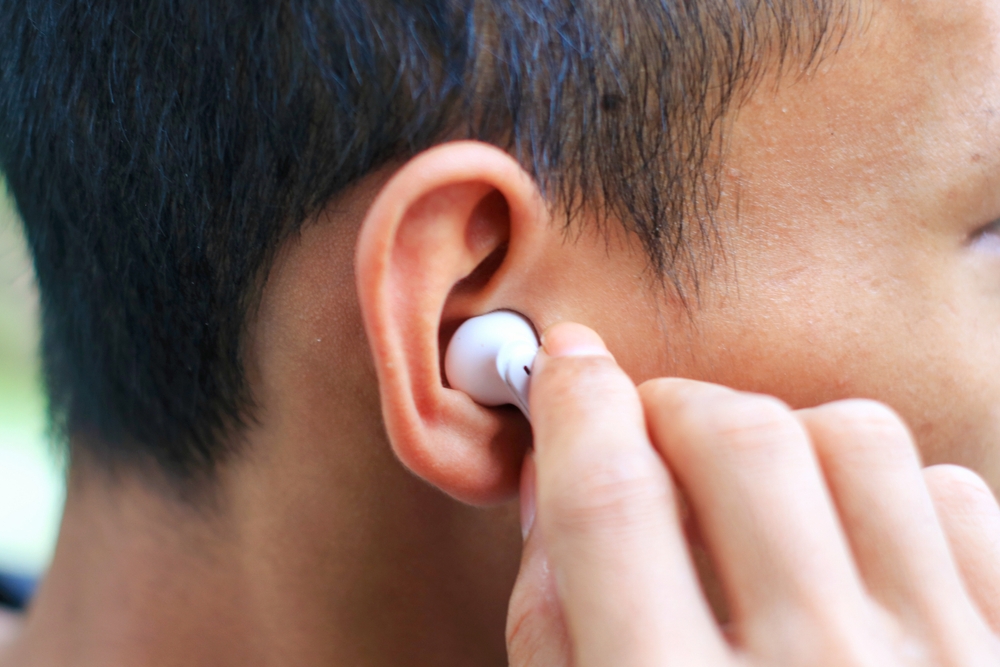
It is increasingly uncommon to observe a young adult in a public setting without an earbud in place. Though over-ear headphones are more bulky, the younger demographic still relies on them for environmental isolation. The appreciation for music is a cross-generational trait, yet younger individuals often depend on it for constant background stimulation. Does the immediate physical closeness of these transducers to our ears result in measurable hearing loss? It’s not the device itself, but how we use it.
When Healthy Listening Becomes Hazardous
The right music can induce a state of relaxation, provide spiritual comfort, or drastically boost energy levels. Much depends on the rhythm and volume of the content being consumed. Personal audio tech provides a convenient way to consume media without infringing on the silence of those nearby. This behavior is socially beneficial, and commuters often report a preference for this shared auditory boundaries on public transit.
The primary clinical concerns center on the precise limits of sound pressure and the length of the listening session. It is well-established that loud noise, regardless of the source, can compromise your long-term hearing sensitivity. Combining high-intensity sound with extended exposure times can lead to permanent sensorineural damage. Because auditory decline is often a slow, cumulative process, the damage is frequently advanced before symptoms are noticed.
Identifying the Critical Risks of Personal Audio
High volume stands as the most significant threat to the preservation of hearing sensitivity. Nevertheless, the timeframe of the sound exposure is just as critical a factor as the intensity itself.
- Clinical guidelines from the NIH suggest that listening at or below 70 dB prevents damage regardless of the duration.
- There is a direct correlation between increased sound pressure and the speed of hearing degradation.
- Implement the 60/60 safety protocol by capping volume at 60% and taking a break every 60 minutes.
- Taking control of your volume slider and managing your time is the best defense against hearing loss.
Warning Signs of Hearing Loss
If you commonly hear muffled sounds, find it difficult to understand conversations in noisy places, have ringing in your ears (tinnitus), and frequently ask people to repeat what they said or to speak louder, it’s time to have a hearing exam with a professional.
Reach out to our care team immediately if you are concerned about your current hearing sensitivity.