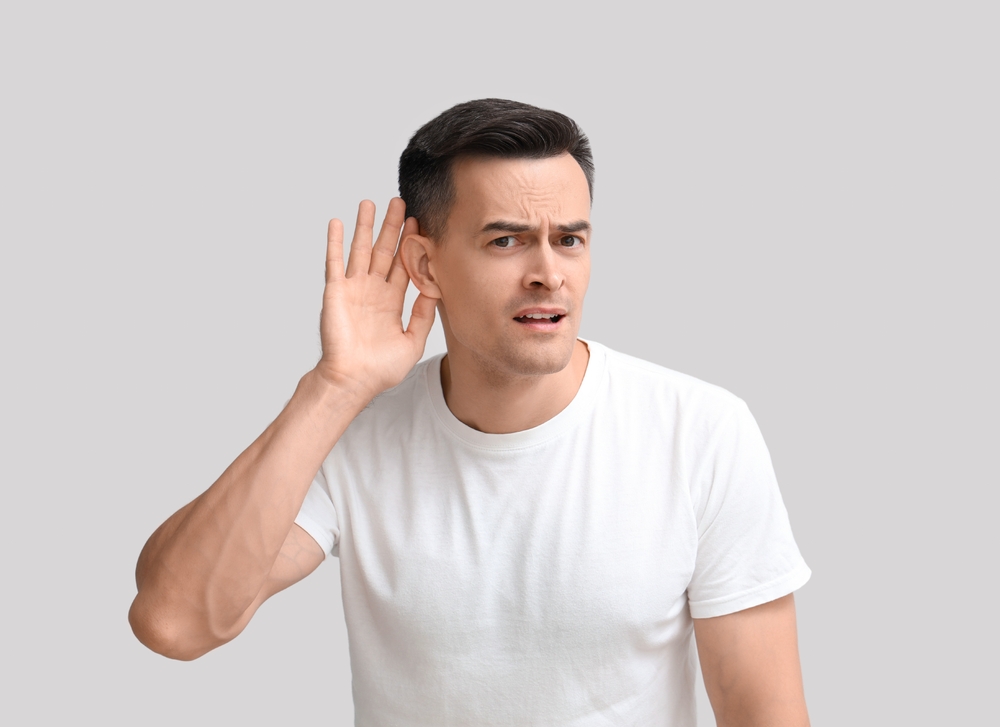
Have you noticed a distinct sense of exhaustion after participating in lengthy verbal interactions?
You might initially blame your exhaustion on general tiredness or a busy lifestyle. And it’s true that for introverts or people with sensory issues, social situations can be exhausting. In many instances, this persistent drain is the result of a condition called auditory fatigue.
Essentially, auditory fatigue is the result of the brain over-functioning to compensate for poor sound quality. If auditory input is degraded, the brain must engage in constant phonemic restoration to bridge the gaps in speech. Sustained periods of this “effortful listening” eventually lead to total cognitive depletion.
Many people mistake auditory fatigue for ordinary tiredness. However, it can actually be an early sign of hearing difficulties. A professional diagnostic evaluation is necessary to confirm if hearing loss is the root cause of your exhaustion. If you notice this pattern happening regularly, talk to your provider about determining whether hearing loss is contributing to your symptoms.
What Causes Auditory Fatigue?
The risk of developing auditory fatigue is increased by several physiological and environmental factors.
The Hidden Cost of Ignoring Hearing Loss
Unmanaged hearing loss stands as a primary catalyst for chronic listening exhaustion.
If the peripheral auditory system fails to deliver clear data, the brain must use context clues to guess the missing information. This constant guesswork increases listening effort, which can quickly lead to mental exhaustion during conversations.
Noisy Environments
Busy environments can worsen auditory fatigue. Settings like busy cafes or group discussions often present a low signal-to-noise ratio that obscures speech.
In multi-source sound environments, the brain must exert massive energy to suppress irrelevant noise. This intensive filtering often leads to cognitive overload, even in patients with “hidden” or sub-clinical hearing loss.
How Internal Noise Increases Listening Effort
Tinnitus, often described as ringing or buzzing in the ears, can also contribute to listening fatigue because the brain must process external sounds and internal noise signals simultaneously.
A distorted acoustic signal acts as a “broken link,” requiring the brain to expend extra energy to fix the data in real-time.
Identifying the Symptoms of Listening Exhaustion
This type of fatigue often degrades both your ability to concentrate and your general vitality. Typical red flags for this condition include:
- Sense of being “wiped out” after a basic discussion
- Reduced focus during professional or social group settings
- Onset of tension headaches following sustained auditory focus
- A sense of agitation triggered by difficult listening conditions
- Self-isolation as a defense mechanism against listening effort
- Requiring immediate sensory deprivation or sleep after socializing
Recurring instances of these symptoms suggest that your auditory processing system is operating at an inefficient level.
Why Hearing Loss Makes Your Brain Work Harder
Clear auditory input allows the brain to interpret sound with virtually no conscious effort. The presence of hearing loss creates a “resource drain,” pulling energy away from memory and logic to help hear speech.
Researchers describe this as increased cognitive load. It involves the brain siphoning energy from memory retrieval and focus to prioritize basic speech understanding. Over time, this extra effort can leave you feeling mentally depleted. Under these conditions, even brief interactions demand an unnatural level of mental focus.
Diagnosing the Source of Your Fatigue
If auditory fatigue is affecting your daily life, a professional hearing evaluation can help identify the cause. In the clinic, an expert will assess your ability to detect specific pitches and interpret clear speech. An audiologist may simulate real-world noise to see how your brain manages complex auditory environments.
The data from your exam will determine if your fatigue is rooted in a physiological hearing deficit. Identifying hearing changes early allows treatment to begin sooner, helping reduce listening strain before it begins affecting daily activities and social interactions.
Restoring Energy Through Hearing Care
Addressing the underlying impairment is the most direct way to eliminate auditory fatigue.
Current digital technology restores the signal-to-noise ratio, providing the brain with a cleaner audio feed. By delivering a clean signal, these devices eliminate the need for the brain to expend energy on reconstruction.
Once auditory strain is reduced, the following areas often show significant improvement:
- General energy levels from morning to evening
- Increased attention span during long discussions
- Reduced anxiety and heightened ease during social events
As the brain stops struggling to hear, the world of sound becomes a source of joy rather than a source of stress.
Recognizing the Right Moment for a Hearing Test
You should prioritize an audiological consultation if the following conditions apply:
- You feel exhausted after conversations
- Friends or family members mention that you often ask them to repeat what they’ve said
- You find yourself “guessing” at words in loud settings
- You find yourself “hiding” in quiet rooms during parties or meetings
Early action on hearing impairment is a foundational step in preserving your mental and social health.
Common Inquiries Regarding Listening Effort
Is auditory fatigue the same as hearing loss?
Actually, no; auditory fatigue is the cognitive result of the strain, not the physical impairment itself. However, hearing loss is one of the most common causes of auditory fatigue.
Will Hearing Devices Fix My Burnout?
Yes—current technology is specifically designed to minimize the cognitive cost of communication.
Can Auditory Fatigue Be Cured?
Most patients find that their energy returns once the listening “gap” is closed with technology.
End Your Struggle with Auditory Fatigue Today
It is not “normal” to be wiped out by a simple talk with a friend. Feeling “wiped” after a party is a signal that your brain is struggling to manage its cognitive load.
Take the first step toward social ease by reaching out for a professional evaluation. Reclaim your social life and your energy by getting the truth about your auditory health today.